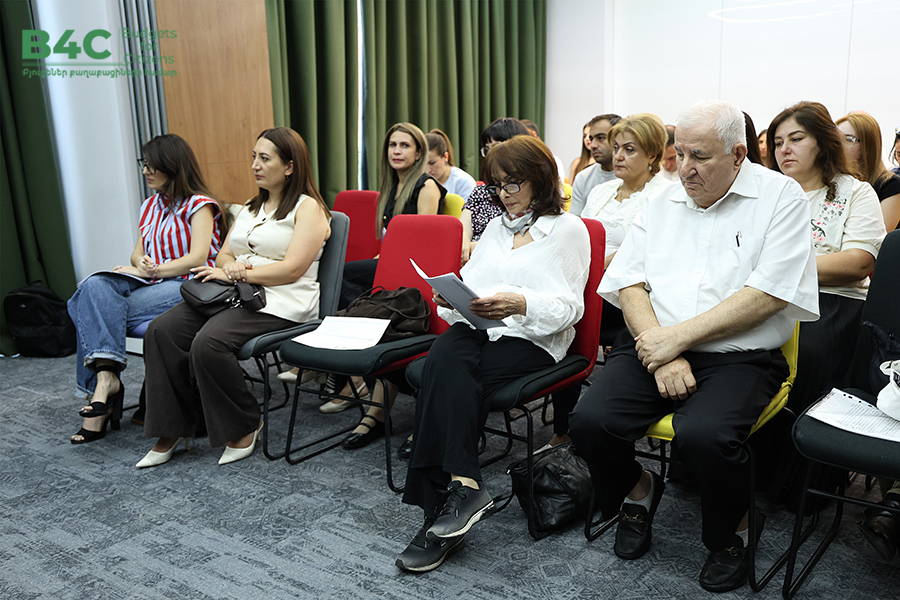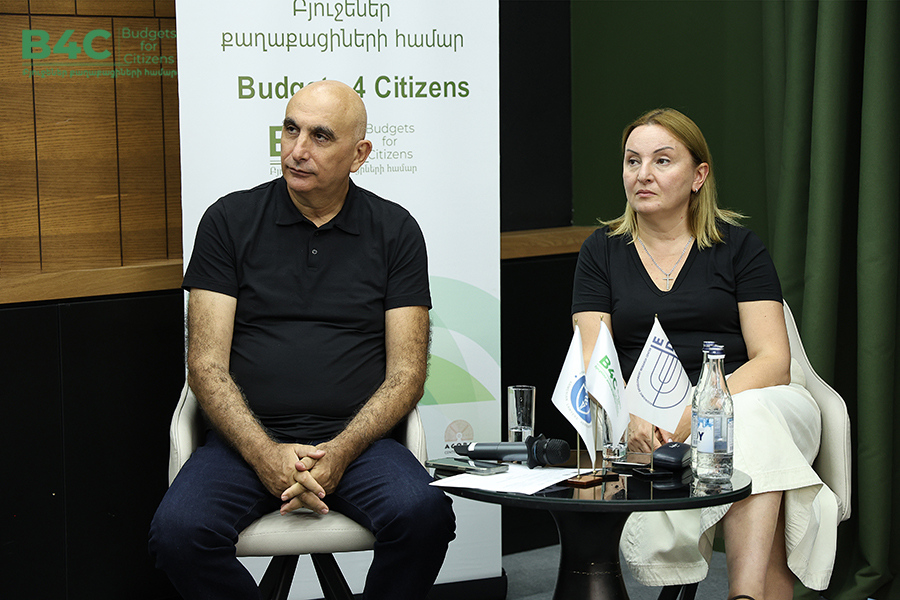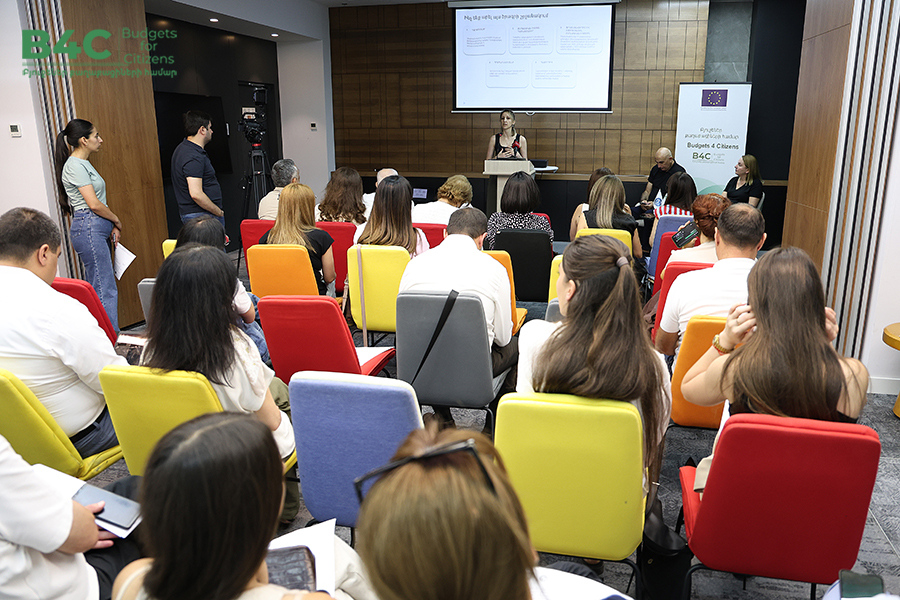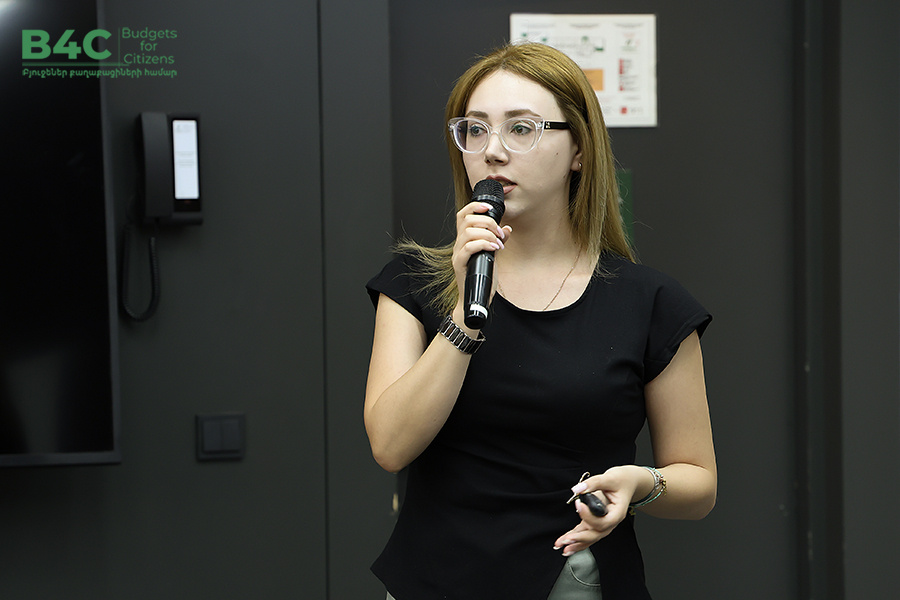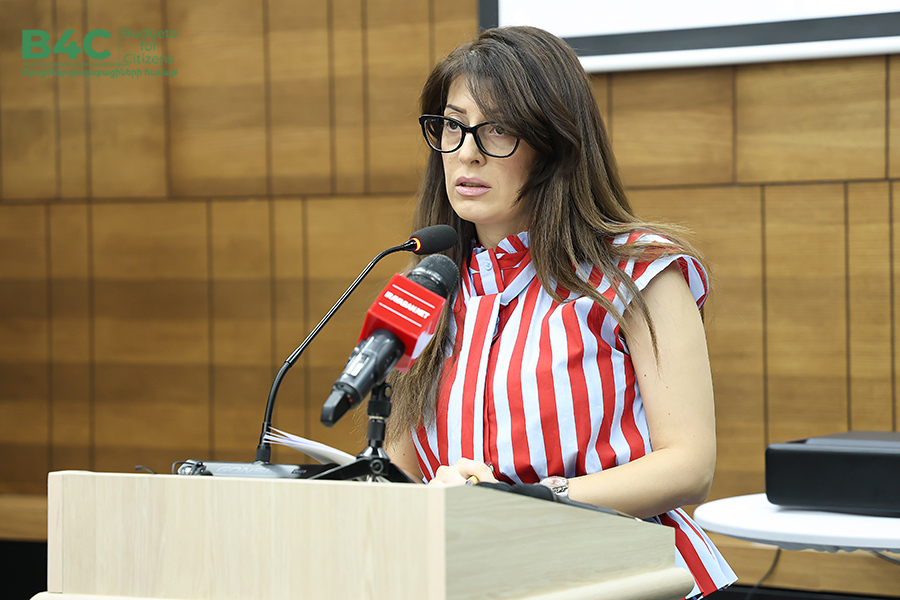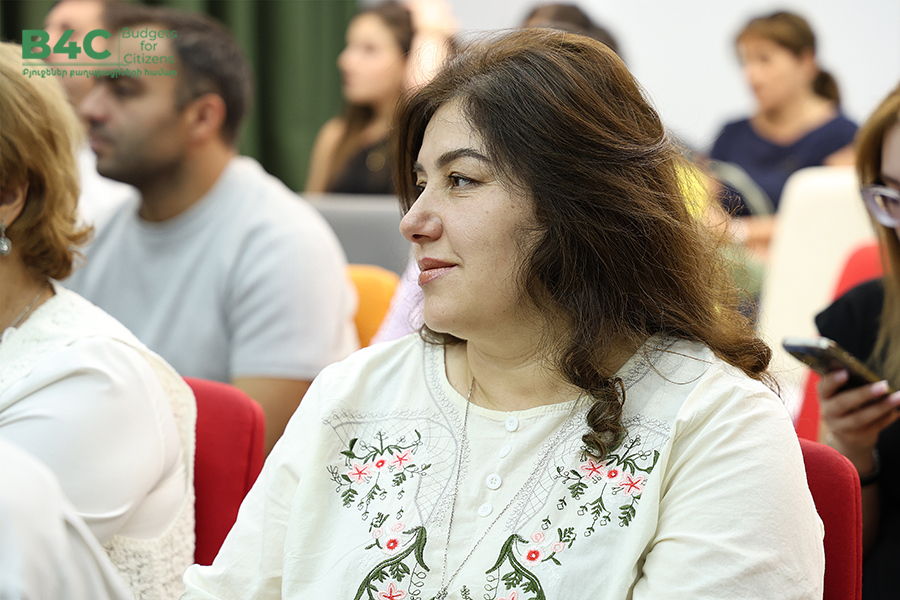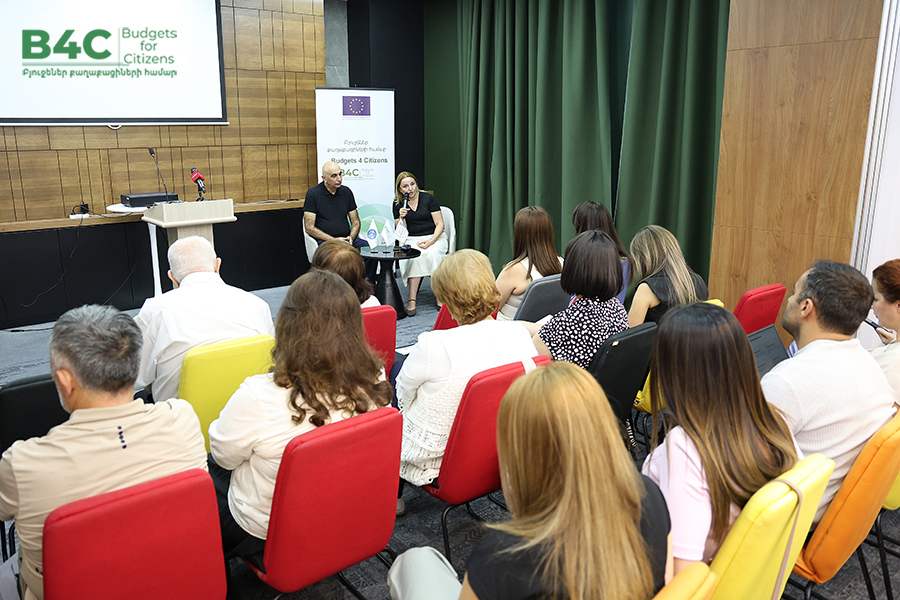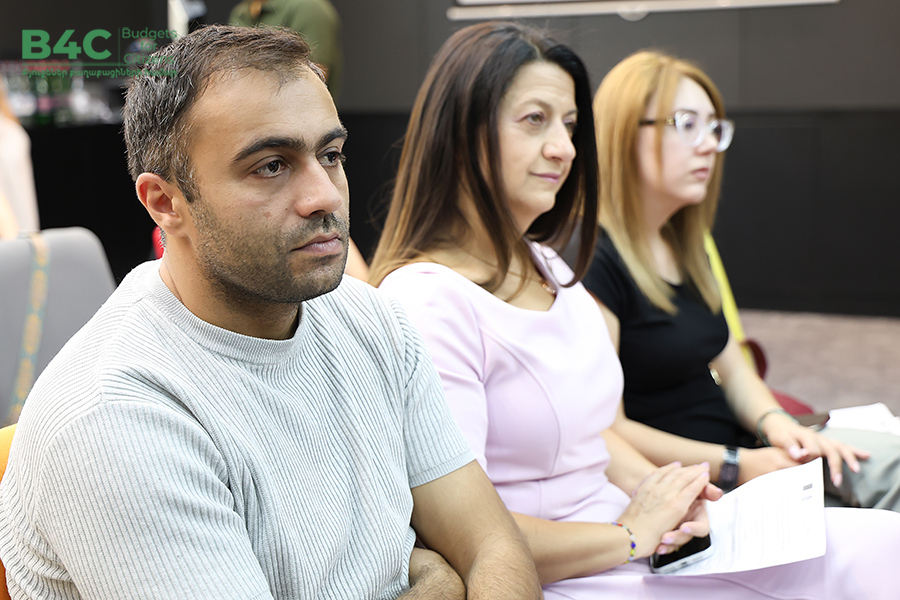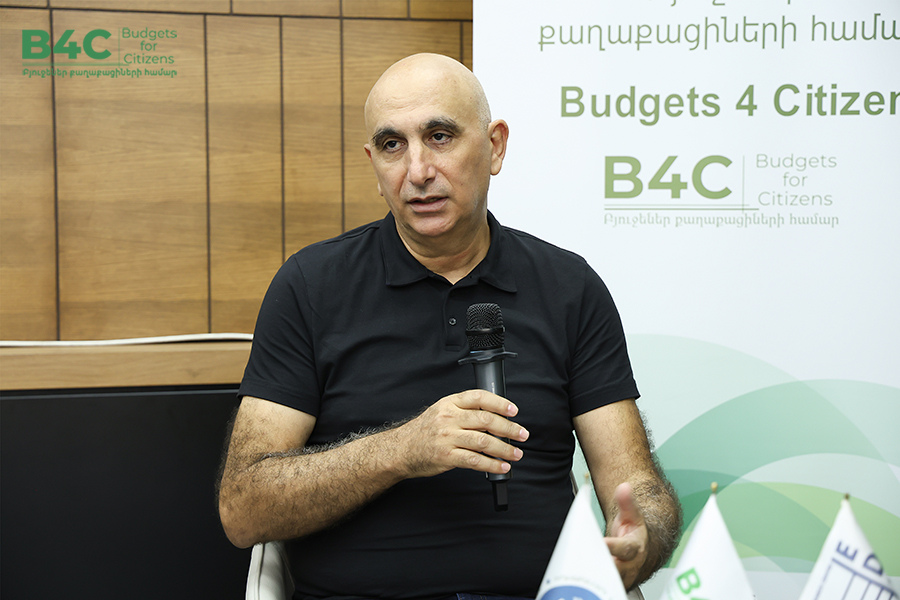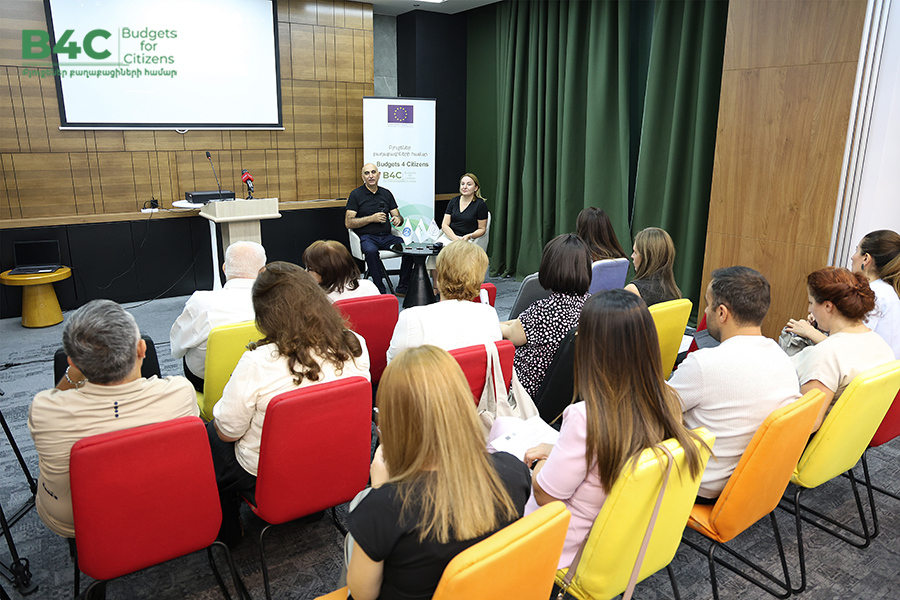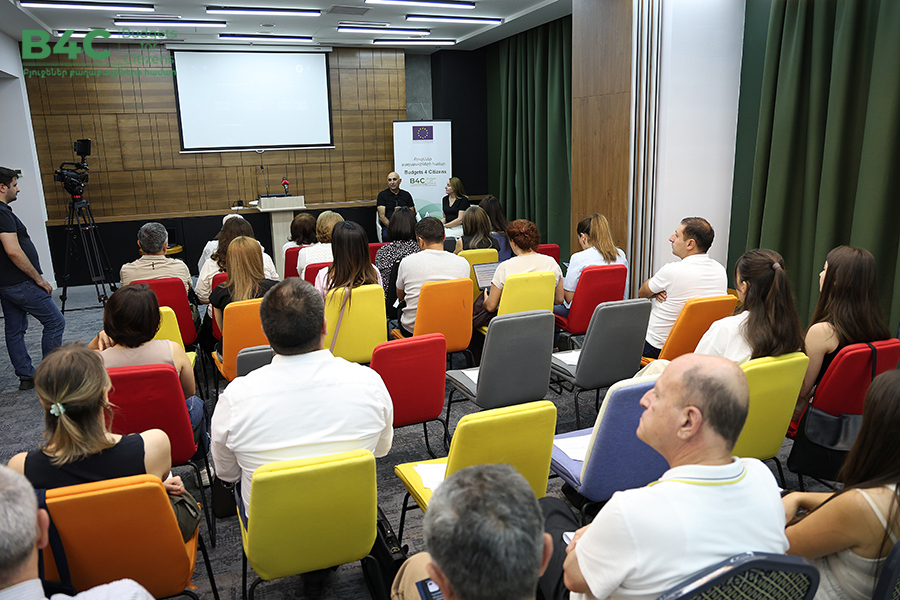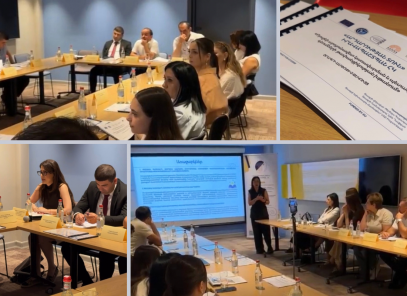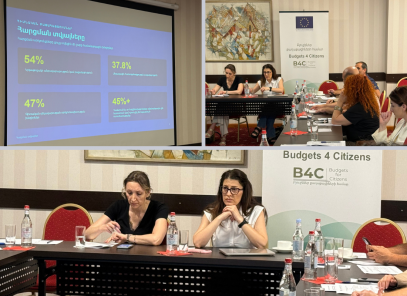
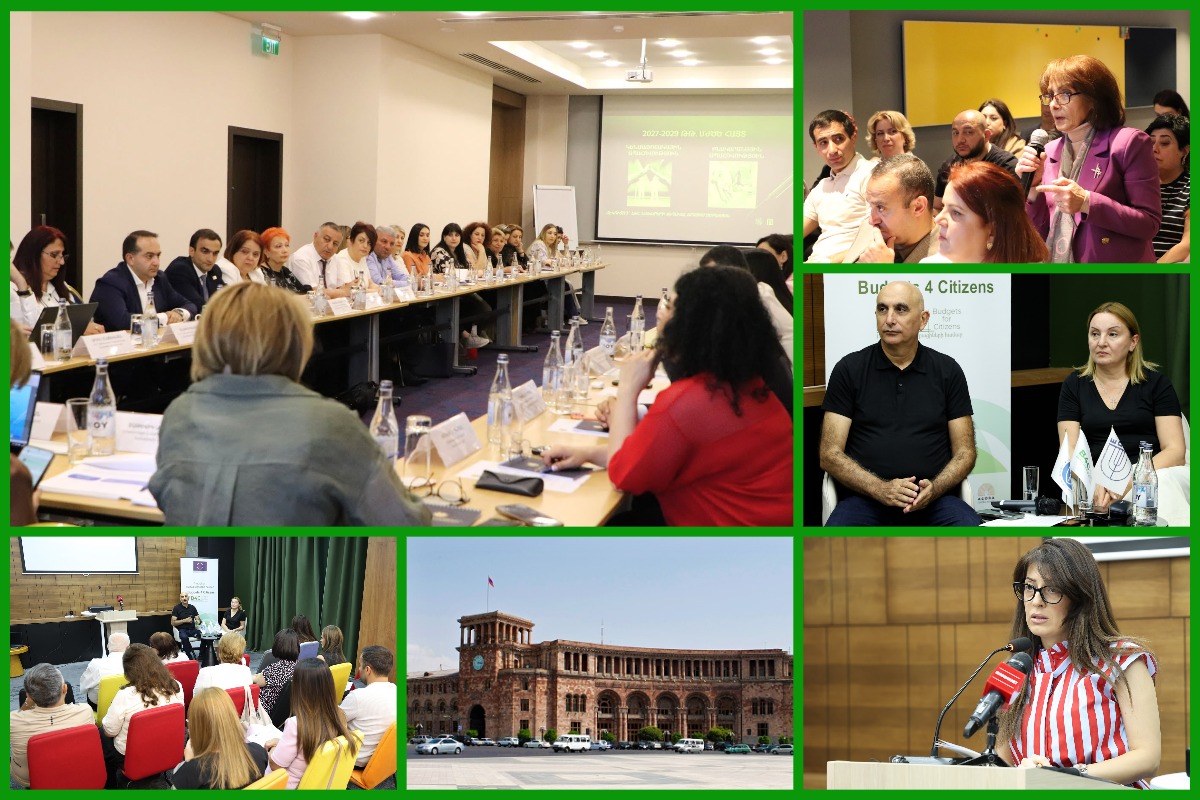
A workshop to present and discuss the results of advocacy campaigns conducted by the civil society organizations (CSOs) in the budgetary process was held in Yerevan within the framework of the “Budgets for Citizens” Action, implemented with the financial support of the European Union,
The advocacy activities aimed at promoting the interests of target sectors within the budgetary process, along with the recorded achievements and the results delivered by the programs were presented during the workshop.
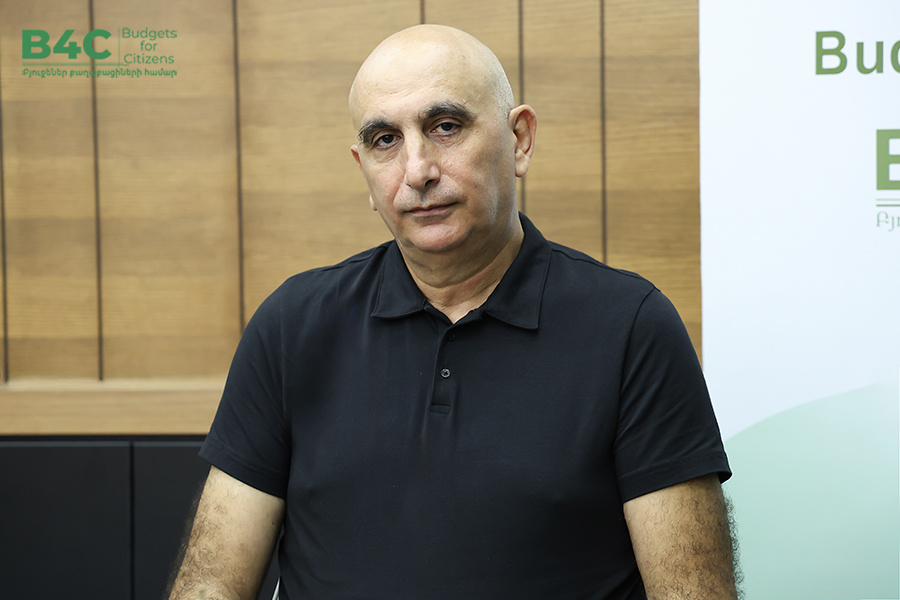
Mr. Karen Zadoyan, President of the “Armenian Lawyers Association” NGO, Head of the “Budgets for Citizens” Action, spoke about the implemented advocacy projects.
“17 grants for advocacy activities in justice, education, social support, and agriculture sectors have been provided within the framework of the Action. Projects under these 17 grants, have been carried out in Shirak, Lori, Tavush, and Gegharkunik provinces, as well as in Yerevan. During the course of the Action, in addition to the 17 mentioned initiatives, we have also provided 12 grants for monitoring and the development of simplified budgets. The work has been carried out through various mechanisms, including meetings and discussions with government bodies, the expert community, and civil society, as well as through advocacy campaigns,” Karen Zadoyan noted.
The work of the Center for Economic Rights was highlighted. Thanks to the effective activities and consistent efforts of the team, significant reforms have been implemented in budgetary processes of the country. 84 out of 132 strategic proposals developed by the expert team of the Center, have already been officially adopted and put into practice.
“The first was the Prime Minister’s decision in January 2026 concerning the review of budget applications. At Mr. Aristakesyan’s proposal, the period for these discussions was extended from just a few days to two months,” the Project Manager added.
Ms Karine Harutyunyan, Executive Director of the “Economic Development and Research Center” NGO, presented the results of the project.
“Today, an increasing number of young professionals and civil society organizations are able to participate in the budget process to varying degrees. The “Budget Knowledge-Sharing” platform website, which presents accessible information about the budget, has been created within the framework of the project, The next step is the simplification of the budget, during which we have provided the opportunity to the public to understand what kind of policy the Government planned to implement, through what programs, what resources are spent and for what results, etc.,” Karine Harutyunyan said.
Ms Syuzanna Soghomonyan, a representative of the “Armenian Lawyers Association” NGO, presented an overview of the problems, issues, and results identified within the framework of the project.
According to her, “Advocacy efforts have been carried out on issues related to justice, education, and the employment of persons with disabilities, promoting self-employment, food safety, and other matters.” She then briefly presented the achievements that had been recorded.
During the workshop, representatives of sub-grant projects presented detailed results and assessed the impact of the implemented projects, as well as discussed key challenges and lessons learned.
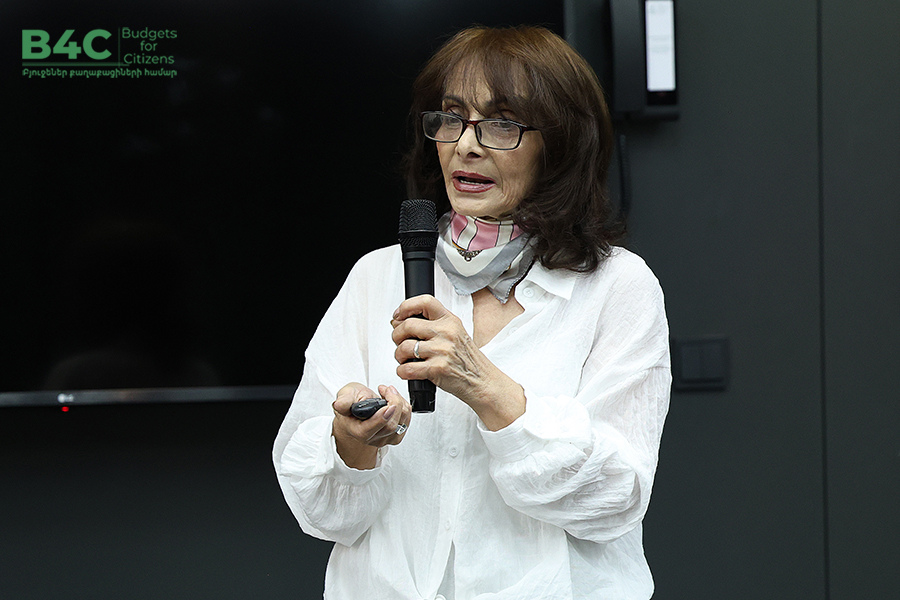
Ms Susanna Yeghiazaryan, a representative of the “Center for Economic Rights” NGO, presented the results of work concerning the budget process and highlighted both the issues identified in the approaches taken by government bodies and opportunities for improvement.
Ms Liliya Khachatryan, a representative of the “Armenian Center for Democratic Education -CIVITAS” NGO also delivered a speech. A study on the effectiveness of the credit system within doctoral training was conducted within the framework of the project. Based on the findings, proposals to make the system more flexible, efficient, and responsive to the needs of researchers were developed.
Ms Alina Tonyan, a representative of the “Association of Business and Education” NGO, reported that as part of an advocacy program implemented jointly with the Ministry of Labor and Welfare, she analyzed budget data and assessed the needs of civil society organizations as well as the performance indicators of state programs. Following the study, 40 substantiated recommendations were submitted to the Ministry: 21 of the recommendations were fully accepted, 12 were taken into consideration, and 7 were rejected.
The representative of the “BLEJAN” Environmental, Social, and Business Support NGO, said that the activities carried out under the project were aimed at fostering reforms in the food safety sector. Sectoral and budgetary documents were analyzed, surveys were conducted among consumers and government agencies, and based on the findings a sectoral reform strategy was developed.
Following a detailed review of the results of implemented programs, the participants discussed issues of concern in a questions and answer format.
Mr. Movses Aristakesyan, President of the “Center for Economic Rights” NGO, highlighted the results achieved through constructive cooperation with government bodies: He noted that under the program, four experts submitted 132 proposals covering seven sectors, with approximately 65 percent of them being adopted. He also emphasized the need to ensure the continuity of the budget process with the participation of civil society organizations, proposing the inclusion of a targeted program in the state budget to this end.
Mr. Hakob Avagyan, Head of the “Small and Medium Enterprise Cooperation Association,” NGO in turn proposed establishing closer cooperation among civil society organizations and uniting around a single platform, noting that the initiatives of various organizations would carry more weight if presented jointly and with the support of several dozen NGOs.
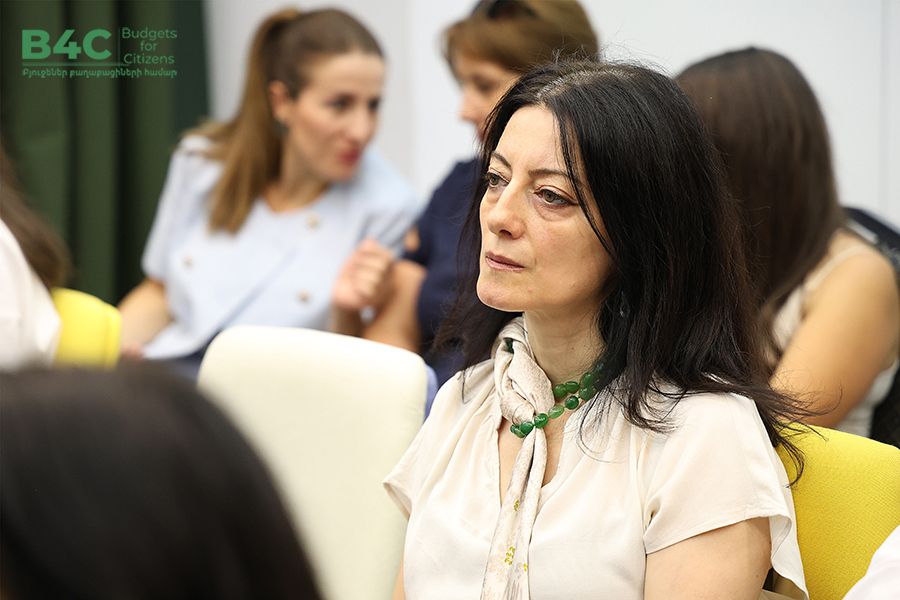
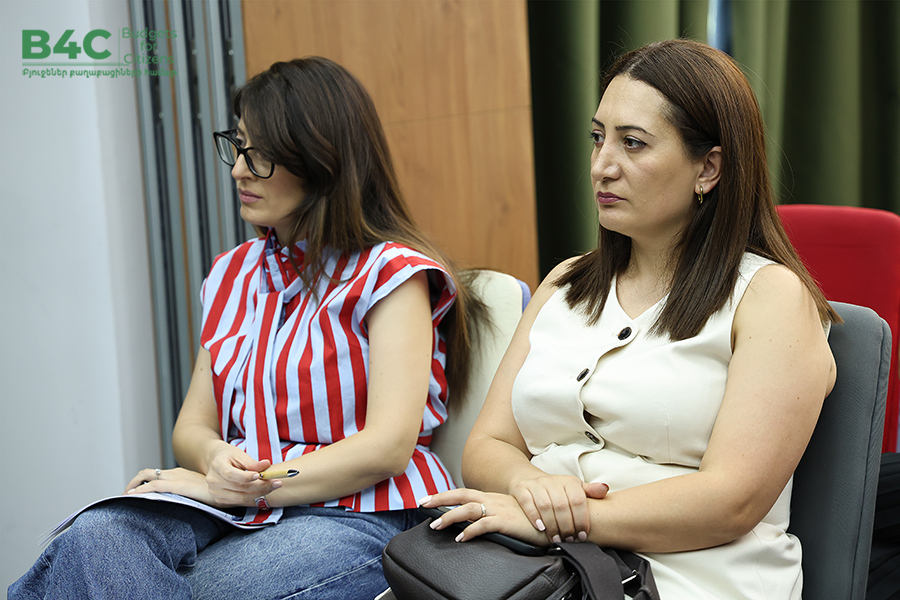
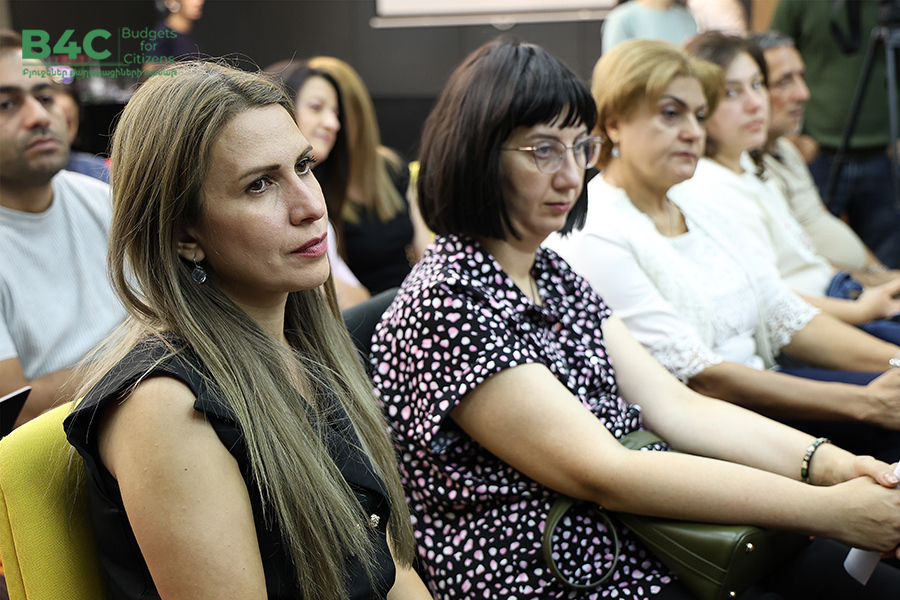
Representatives of government bodies, civil society, and the expert community took part in the event. During the discussion, participants examined the presented results and sector-specific issues through a Q&A session and an exchange of views.
About the “Budget for Citizens” Action
The “Budgets for Citizens” Action is being implemented from 8 December, 2022, to 7 December, 2026, with the financial support of the European Union by the Armenian Lawyers’ Association, in cooperation with partners “Economic Development and Research Center” (EDRC) NGO and “Agora Central Europe” NGO (Czech Republic).