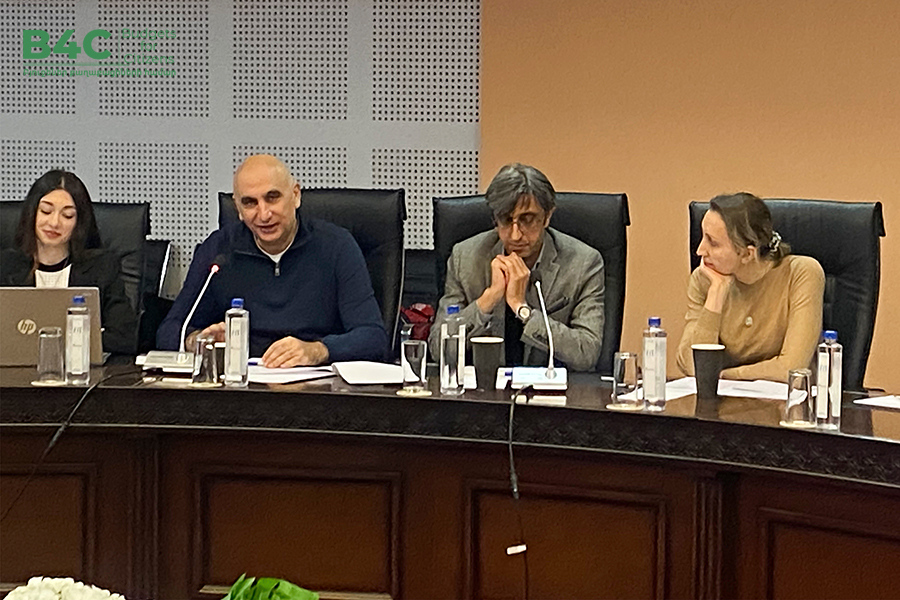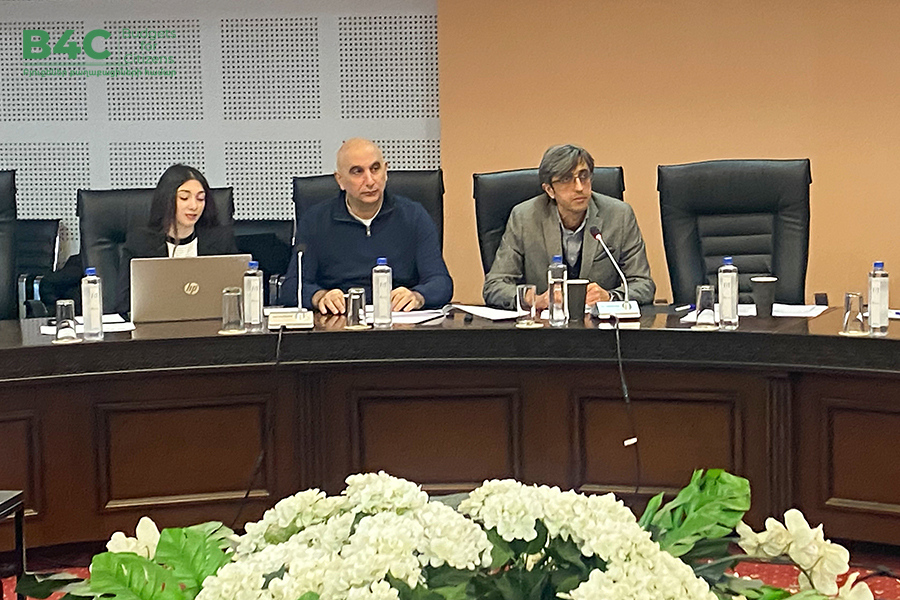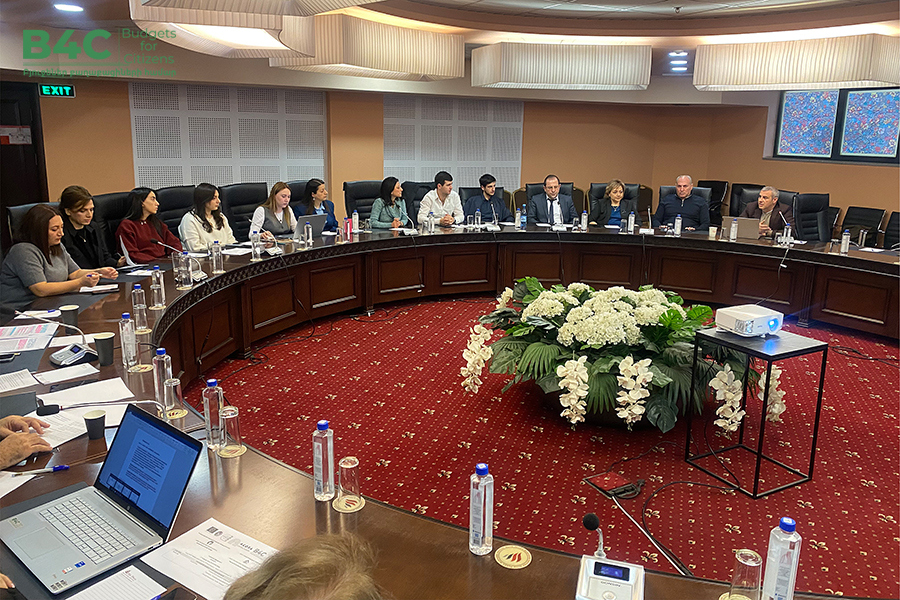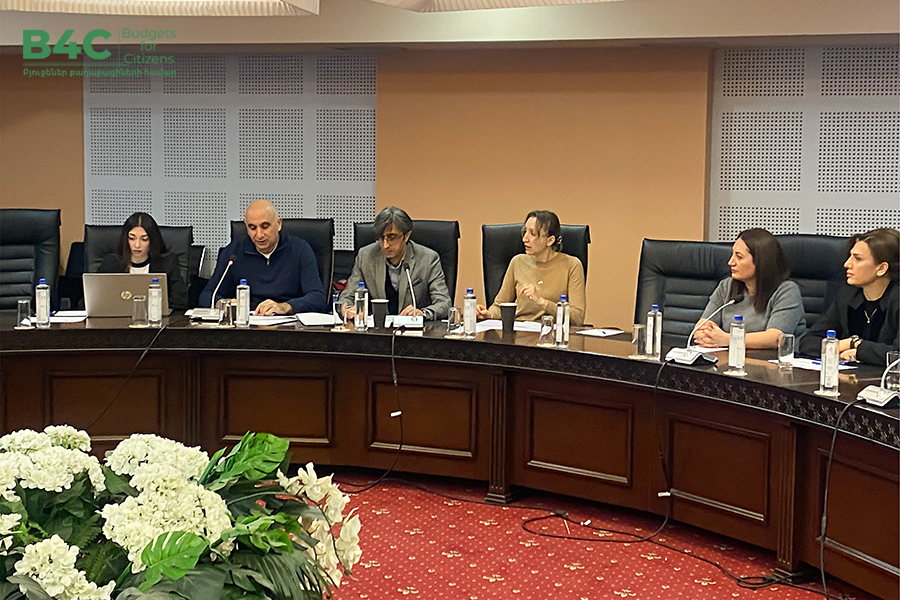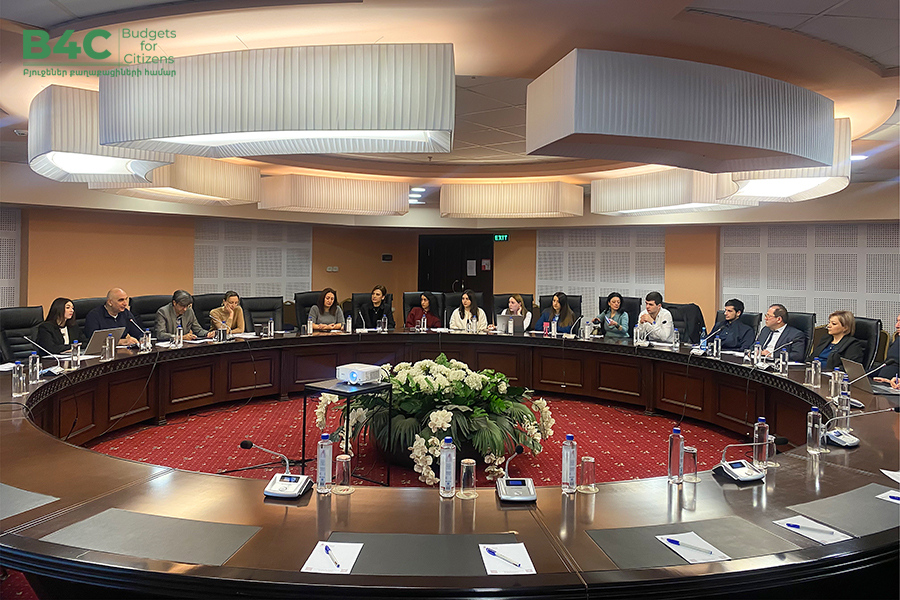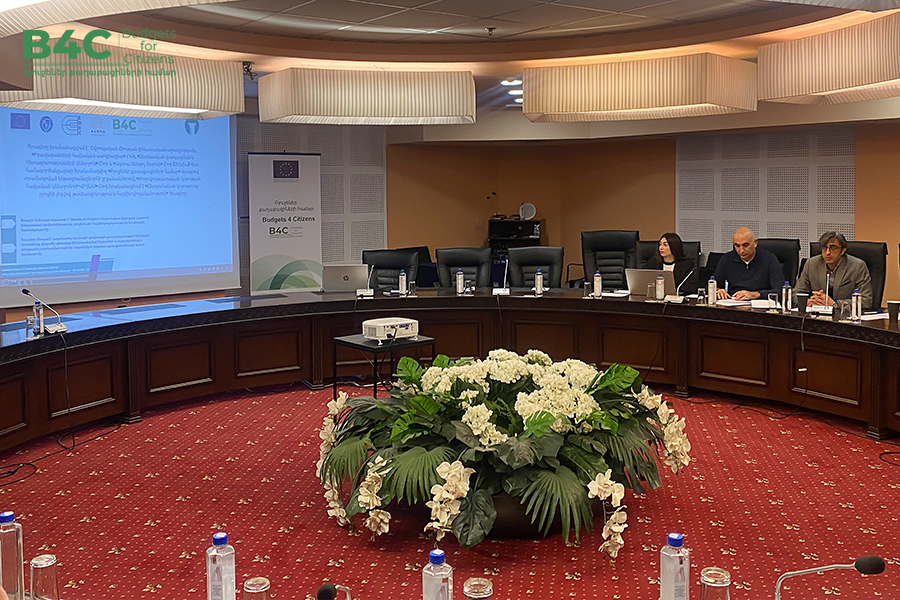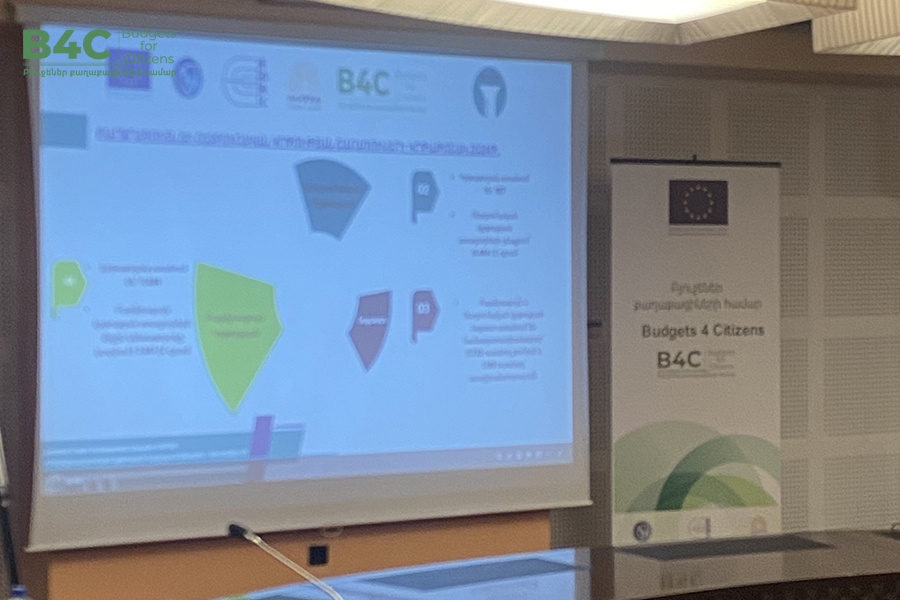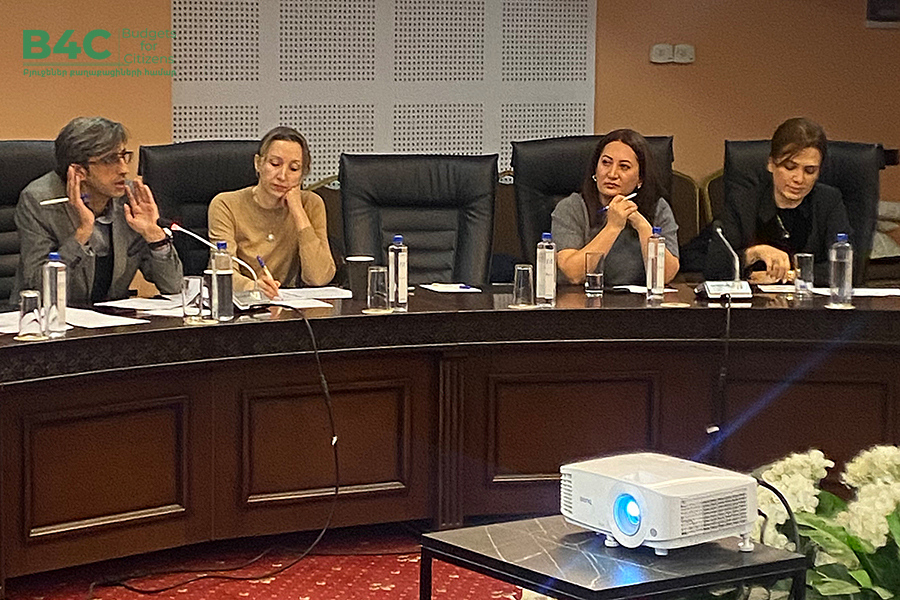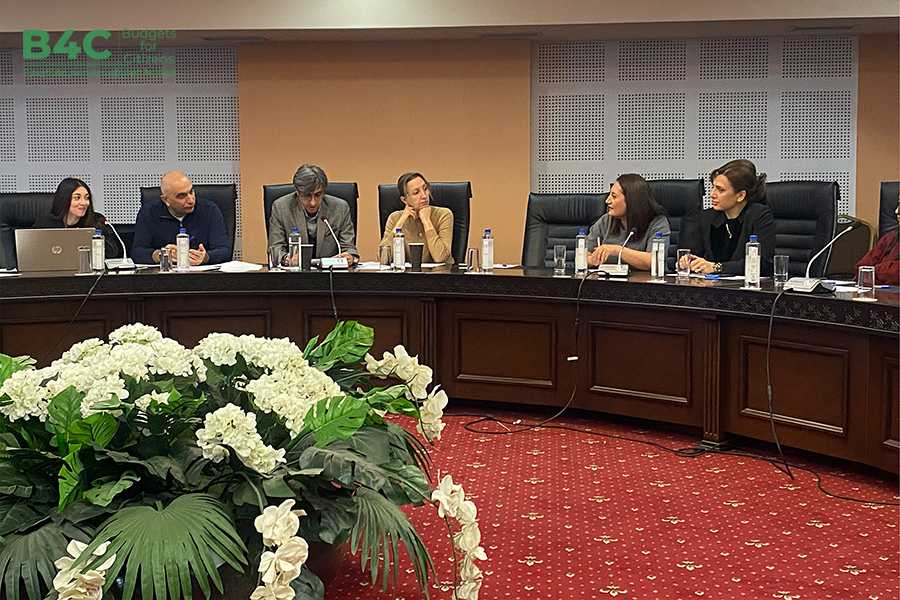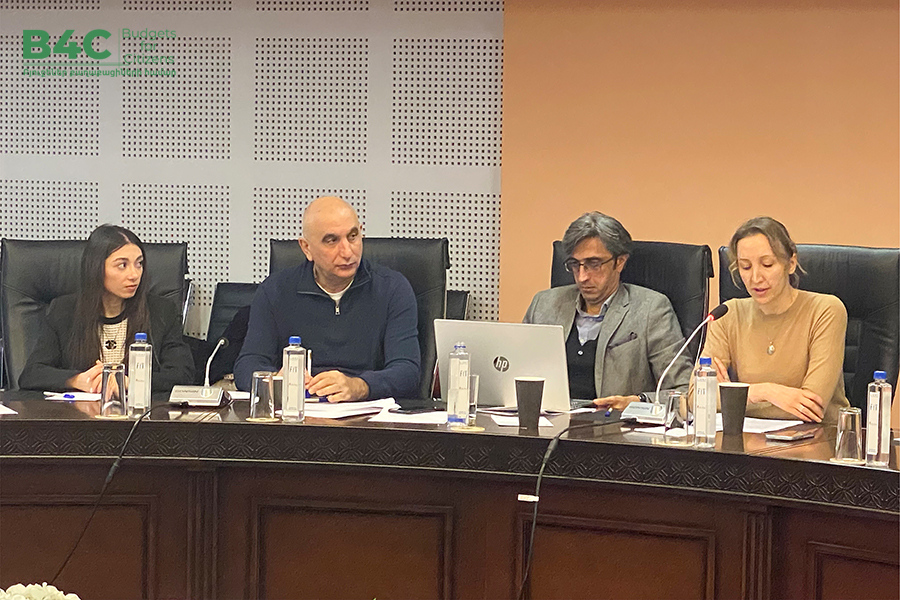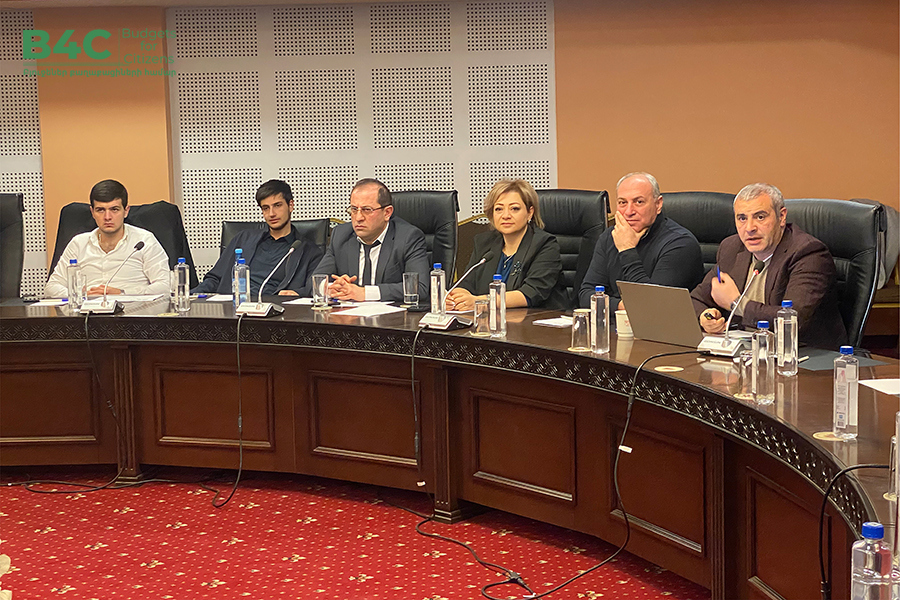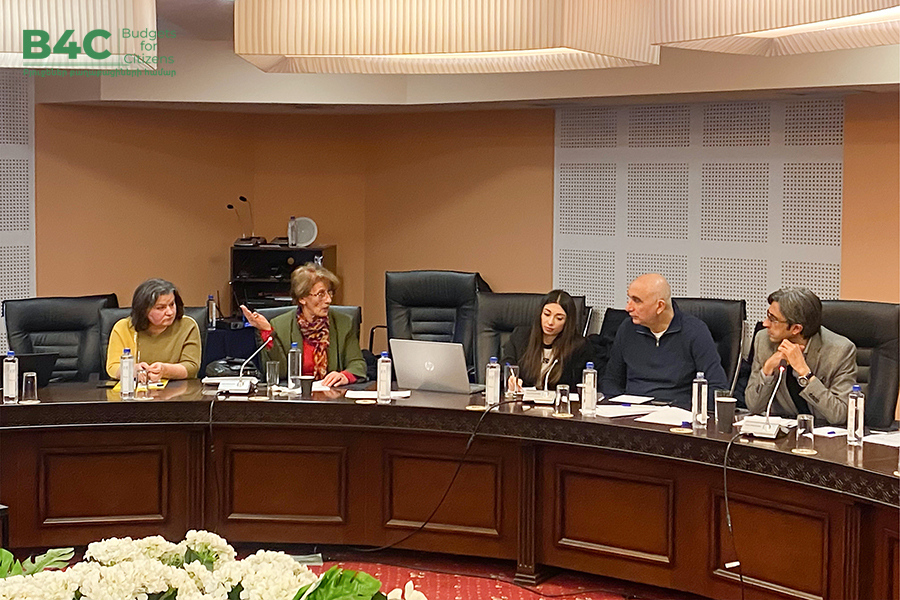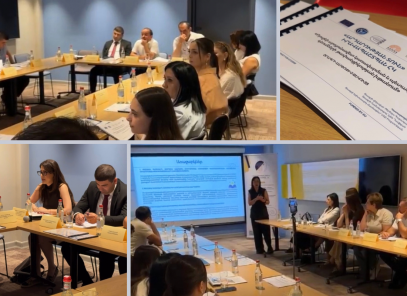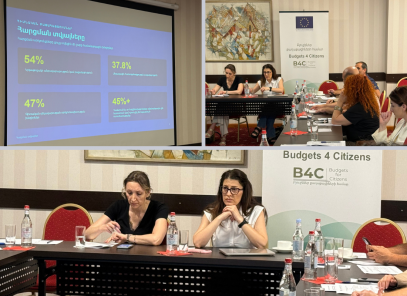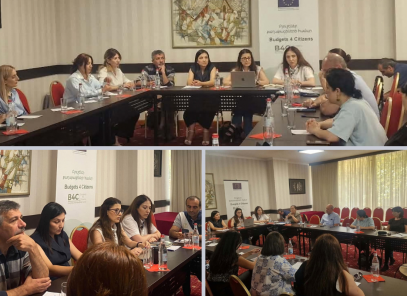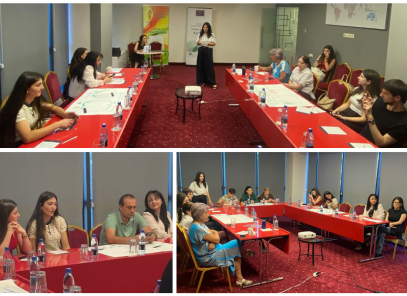
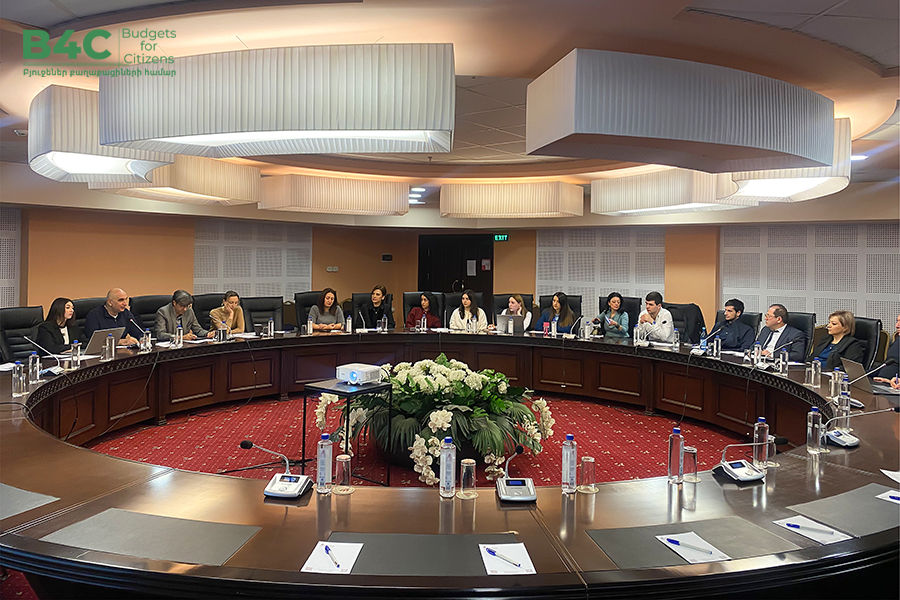
Within the framework of the “Budgets for Citizens” project, implemented with the support of the European Union, the public joint final event of the sub-grant projects “Postgraduate Education in the Language of the Budget: Funding Transparency and Accountability” and “Analysis of the Budget for Food Safety Control for 2024, Simplified Budget” was held on January 9.
During the joint event, representatives of the non-governmental organizations implementing the sub-grant projects — the “Armenian Center for Democratic Education–CIVITAS” NGO and the “SME Cooperation Association” NGO — presented the results of the studies conducted within the framework of the projects, the identified public policy issues, as well as recommendations aimed at their improvement.
The welcoming remarks were delivered by Karen Zadoyan, President of the Armenian Lawyers’ Association and “Budgets for Citizens” project manager.
Presenting the work carried out within the “Budgets for Citizens” project, Karen Zadoyan emphasized the development of NGOs’ capacities in the budgetary field, as well as the training of young specialists in budget analysis. These young professionals were involved in the NGOs implementing the sub-grant projects and carried out analysis, monitoring, and preparation of simplified budgets in the fields of education, justice, social protection, and agriculture.
Karen Zadoyan placed particular emphasis on the projects implemented by the “Armenian Center for Democratic Education–CIVITAS” NGO and the “SME Cooperation Association” NGO in the fields of education and agriculture. He noted that, as a result of project implementation, the recommendations developed by the sub-grantee NGOs aimed at improving sectoral public policies should be formulated in a more targeted manner and presented in a form that is clear, understandable, and acceptable for the competent sectoral public authorities. This approach would enable the implementation of recommendations through constructive dialogue and effective, evidence-based advocacy efforts.
The main objective of the “Postgraduate Education in the Language of the Budget: Funding Transparency and Accountability” project was to promote funding transparency, budget accountability, and public participation in the fields of higher and postgraduate education.
The objective of the “Analysis of the Budget for Food Safety Control for 2024, Simplified Budget” project was to present the Food Safety Inspectorate’s 2024 budget in a clear and accessible manner, enhance budget transparency, and assess the effectiveness of budget planning and budget execution from the perspective of improving sectoral policy.
In the first part of the event, representatives of the “Armenian Center for Democratic Education–CIVITAS” NGO presented the main directions of the project and the activities implemented. The indicators of the higher and postgraduate education budgets for the period of 2020–2024 were discussed, as well as the budget deviations recorded during that period. The current situation in the sector was also addressed, including recent legislative amendments regulating the field and governance mechanisms, and existing challenges along with proposed solutions were presented.
In the second part of the event, representatives of the “SME Cooperation Association” NGO presented the results of the “Analysis of the Budget for Food Safety Control for 2024, Simplified Budget” sub-grant project.
The presentation addressed the Food Safety Inspectorate’s planned annual budget for 2024, the changes made to it, and budget execution indicators. Particular emphasis was placed on the border control of meat products imported into the Republic of Armenia, especially poultry, and the effectiveness of such control. Issues and recommendations were also presented regarding the risk-based criteria of inspections conducted by the Inspectorate, the formation of the annual budget, the salary fund, as well as indicators used to assess the effectiveness of budget execution.
The event was held in an interactive format, providing an opportunity for questions and answers, which allowed participants to present their observations and receive professional clarifications.
Participants of the event — representatives of higher education institutions, non-governmental organizations, the expert community, and sectoral public authorities — raised questions and shared observations related to the presented studies and emphasized the importance of the work carried out.
The “Armenian Center for Democratic Education–CIVITAS” NGO and the “SME Cooperation Association” NGO will summarize the observations and recommendations voiced during the event and incorporate them into their final reports.